
Camino del Norte Stages and Accommodation
The Camino del Norte is one of the most scenic routes on the Camino de Santiago. It follows Spain’s northern coast through the Basque Country, Cantabria and Asturias before turning inland through Galicia towards Santiago de Compostela.
Planning your Camino del Norte stages and accommodation takes a little more preparation than on some other Camino routes. The coastal terrain has plenty of climbs and descents, and accommodation can be spread out between towns. Some popular destinations also attract summer holidaymakers, making it important to check availability before you set off.
This guide explains the main stages, suggests traditional overnight stops and shares practical tips for finding accommodation along the route.
How Long Is the Camino del Norte?
The Camino del Norte begins in Irún, near the French border, and finishes in Santiago de Compostela. The route is approximately 820 kilometres long, although the total distance depends on your chosen route variations and stage plan.
Many pilgrims allow around five weeks to complete the full route. Your walking time will depend on your fitness, daily distance, rest days and the places where you choose to stay overnight.
The Camino del Norte is known for its coastal scenery, beaches, fishing villages and green countryside. However, it is not a flat coastal walk. Frequent hills and changes in elevation can make some stages more demanding than their distances suggest.
There is no single official stage plan that every pilgrim must follow. You can divide the route into shorter or longer days to suit your experience and preferred walking pace.
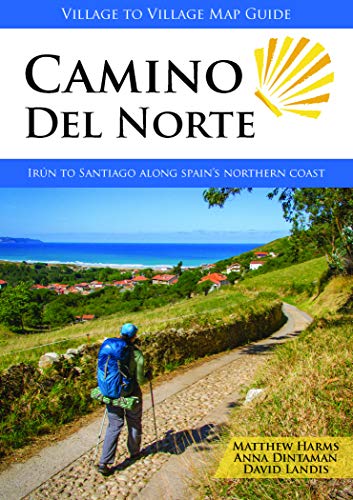
Camino del Norte: Irún to Santiago along Spain's Northern Coast
- Village by Village Map Guide
- Local amenities information
- Mileage and elevation guide
List Price :
Offer: 19.95 $
Go to AmazonCamino del Norte Stages and Overnight Stops
The following overview highlights the main towns and traditional overnight stops along the route. It is a planning guide rather than a fixed itinerary. Walking distances vary depending on your route, accommodation location and any detours.
1. The Basque Country: Irún to Bilbao
Your journey begins in Irún and continues along the Basque coast through towns and villages with beautiful sea views. This section includes some demanding hills, so it is worth starting at a comfortable pace.
- Irún: The traditional starting point for the Camino del Norte. Consider arriving a day early to prepare for your first stage.
- San Sebastián: A popular overnight stop known for its beaches, old town and food scene.
- Zarautz: A coastal town that makes a useful stop after walking from San Sebastián.
- Deba: A traditional stopping point before the route heads further inland through hilly countryside.
- Markina-Xemein: A useful overnight stop in a quieter, rural section of the route.
- Gernika: A historic town with shops, restaurants and accommodation options.
- Bilbao: A major city where you can rest, explore and arrange accommodation before continuing west.
Distances in this section can be challenging because of the repeated climbs and descents. Check your intended overnight stops before leaving each morning, especially if you want to keep your walking days relatively short.
2. Cantabria: Bilbao to Santander
After Bilbao, the Camino continues through towns and coastal landscapes in Cantabria. This section combines urban areas, beaches, countryside and traditional villages.
- Portugalete: A practical stop after leaving Bilbao, depending on your chosen stage length.
- Castro Urdiales: A lovely coastal town with restaurants, shops and accommodation.
- Deba: A fantastic village which manages its own Albergue for Pilgrims
- Laredo: A popular seaside destination where summer demand can affect availability.
- Güemes: A well-known stop among pilgrims walking this route and an albergue with a pool !
- Santander: A larger city offering a broad choice of accommodation, transport and services.
- Santillana del Mar: A must visit historic town often included in Camino del Norte itineraries.
- Comillas: A coastal town that provides another possible overnight stop.
Take particular care when planning stages around popular seaside destinations. Accommodation demand can rise during the summer holiday season, so it is sensible to check availability rather than assume you will find a bed on arrival. Some places are very expensive to stay.
3. Asturias: Santander to Ribadeo
The Camino continues through Asturias, with green countryside, coastal paths, fishing villages and frequent changes in elevation. Your overnight stops will depend on your pace and the accommodation available along your chosen route.
- Colombres: A possible overnight stop after crossing into Asturias.
- Llanes: A popular coastal town with shops, restaurants and accommodation options.
- Ribadesella: A seaside destination that can work well as a stage end.
- Sebrayo: A rural stopping point used by some pilgrims planning shorter stages.
- Gijón: A larger coastal city with a wide range of places to stay.
- Avilés: A historic town and practical stop on the route west.
- Soto de Luiña, Cadavedo and Luarca: Possible overnight stops as you continue along the Asturian coast.
Some stages in Asturias can be long if you follow a traditional itinerary without adjusting your stops. If you prefer to walk fewer kilometres each day, check whether suitable accommodation is available in intermediate villages before committing to your plan.
4. Galicia: Ribadeo to Santiago de Compostela
At Ribadeo, the Camino del Norte turns inland through Galicia. The scenery changes as you walk through rural landscapes, villages and historic towns before joining the Camino Francés near Arzúa for the final stretch to Santiago.
- Ribadeo: A common starting point for pilgrims walking the Galician section.
- Lourenzá: A traditional overnight stop in the countryside.
- Abadín: A possible stage end as you continue inland.
- Villalba: A larger town with shops, restaurants and accommodation.
- Baamonde: A useful stop for breaking up the walk towards Sobrado dos Monxes.
- Sobrado dos Monxes: A historic destination known for its monastery.
- Arzúa: The Camino del Norte joins the Camino Francés here, and the number of pilgrims on the route generally increases.
- O Pedrouzo: A popular overnight stop before the final walk to Santiago.
- Santiago de Compostela: Your destination, where you can celebrate completing the pilgrimage.
Do not assume that every town has the same choice of accommodation. Check the facilities, opening dates and reservation policies of individual places before planning a stage around them. This is really important on the Camino del Norte in particular.
Camino del Norte: Irún to Santiago along Spain's Northern Coast
- Village by Village Map Guide
- Local amenities information
- Mileage and elevation guide
List Price :
Offer: 19.95 $
Go to AmazonHow Far Should You Walk Each Day?
Many pilgrims plan to walk around 20 to 25 kilometres a day, but the right distance depends on your fitness, experience and the terrain. On the Camino del Norte, a shorter day can be a sensible choice when a route section includes steep climbs or limited places to stay.
Use these points when building your itinerary:
- Start conservatively: The first stages through the Basque Country can be hilly. Avoid setting a daily target that leaves you exhausted.
- Check the elevation: Two stages of the same distance can feel very different if one includes more climbing.
- Identify overnight options: Check the next town’s accommodation before deciding how far to walk.
- Allow for rest days: Larger towns such as Bilbao, Santander and Gijón can be convenient places to take a break.
- Stay flexible: Weather, tiredness and foot problems can change your plans. Avoid making every stage so tight that you have no alternatives.
Check out our Camino de Santiago FAQ’s
Is Accommodation Easy to Find on the Camino del Norte?
You will find pilgrim albergues, hostels, guesthouses, pensions and hotels along the Camino del Norte. However, the choice can vary considerably between towns.
Some larger destinations offer many options, while smaller villages may have fewer places to stay. The location of an albergue can also affect your daily distance, particularly if the next accommodation option is several kilometres farther along the route.
Summer can bring extra demand in coastal towns, where pilgrims share accommodation with holidaymakers. Private rooms may become expensive or sell out during busy periods.
Before you begin a stage, check:
- Whether the accommodation is open on your planned travel date.
- Whether reservations are accepted or required.
- How many beds or rooms are available.
- Whether meals, a kitchen or laundry facilities are provided.
- Whether the accommodation is on the Camino or requires a detour. Lots of places detour up to 2km on the trail.
- What the cancellation policy is, especially if you are booking several nights ahead.
You can browse accommodation options on our Camino del Norte albergue and accommodation directory to compare places along the route.
Should You Book Accommodation in Advance?
Whether to book ahead depends on when you walk, how flexible you are and where you plan to stop.
If you are walking during a busy summer period, travelling as a group or need a private room, booking ahead can give you greater peace of mind. It can be particularly useful in popular coastal towns and in smaller places with limited accommodation.
If you prefer to decide where to stop each day, you may choose to book fewer nights in advance. However, check the next day’s options before setting off. A flexible plan works best when you understand where the alternatives are.
For more advice, read our guide on how to book albergues on the Camino de Santiago.
Planning Your Camino del Norte Accommodation Budget
Your accommodation budget will depend on the type of place you choose and the time of year you walk. A bed in a shared dormitory is usually cheaper than a private room in a hotel or guesthouse, but prices vary by location and season.
Remember to allow for more than the bed itself. You may need to budget for meals, laundry, drinks, snacks and occasional rest days. A private room can be a welcome treat after a demanding stage, but it is worth considering how often it fits your budget.
When comparing places to stay, look at the total cost and the facilities included. A slightly more expensive albergue with dinner or breakfast available may suit your plans better than accommodation that requires you to find every meal elsewhere
Read about the differences between municipal and private Albergues.
Final Tips for Planning the Camino del Norte
Good planning can make the Camino del Norte more enjoyable without taking away the freedom of the pilgrimage.
- Plan your main overnight stops before you start walking.
- Check accommodation availability in advance during busy periods.
- Build your daily distances around the terrain, not just the kilometres.
- Keep a list of alternative places to stay if your first choice is full.
- Confirm seasonal opening dates and reservation requirements directly with accommodation providers.
- Leave room in your itinerary for rest, unexpected delays and places you want to explore.
The Camino del Norte rewards pilgrims with coastal scenery with some amazing beaches, historic towns, and quieter stretches of countryside. With a realistic stage plan and a little preparation, you can spend less time worrying about where to sleep and more time enjoying the journey.
Buen Camino!
 English
 Spanish
 German
 French
 Dutch
Comments